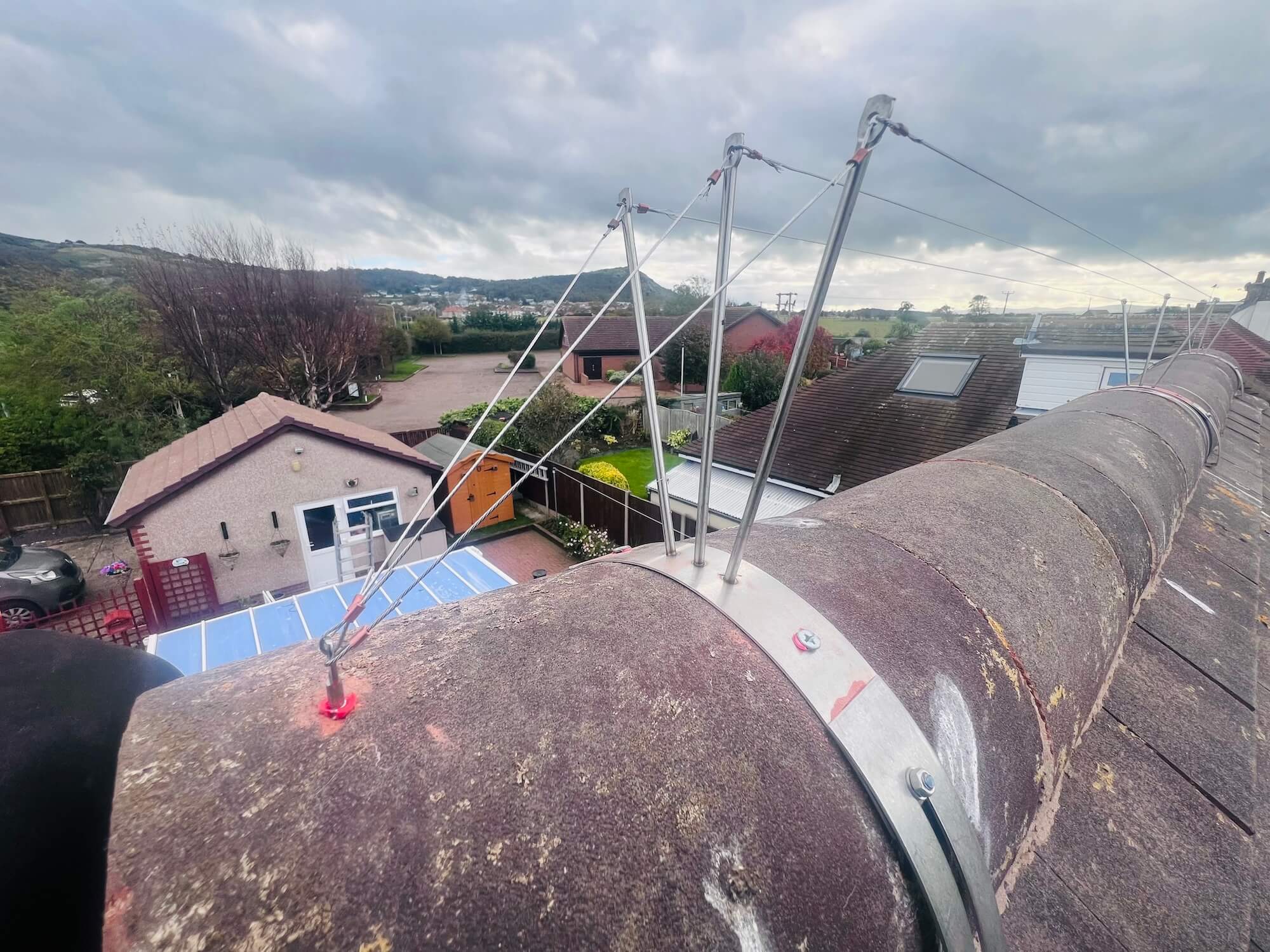
Protecting listed and historic buildings from the damage caused by birds is a delicate balancing act. These structures often require careful conservation, strict planning approvals, and non-invasive maintenance methods that preserve their character and architectural integrity. That’s where bird wire systems come in, offering a discreet, effective, and conservation-friendly solution to deter birds like pigeons and gulls without compromising the aesthetics of the property.
In this guide, we’ll explore the unique benefits of bird wire for historic buildings, why it’s often preferred over other methods, and how it can be installed in a way that remains sympathetic to even the most sensitive structures.
Why Do Historic Buildings Attract Birds?
Listed and historic buildings provide ideal environments for birds to roost and nest. Overhangs, ornate ledges, statues, spires, and rooflines all offer sheltered, elevated perches that birds find attractive, especially pigeons and gulls in urban or coastal settings.
These buildings also tend to be in high-traffic areas such as city centres, churches, cathedrals, and heritage sites, where food waste and open public spaces are common. Unfortunately, when birds settle on these buildings, they bring a range of problems with them:
- Erosion of stone and brickwork from acidic bird droppings
- Blocked gutters and water ingress from nesting materials
- Visual staining that affects a building’s appearance and reputation
- Health and safety concerns for the public, especially at entrances
- Planning challenges for unsightly or invasive control measures
What Is Bird Wire and How Does It Work?
Bird wire systems consist of thin, tensioned stainless steel wires fixed a few centimetres above a building’s surface using discreet posts and anchor points. The wires create an unstable landing area that birds find uncomfortable, preventing them from perching.
Despite being highly effective, bird wire is one of the most visually unobtrusive bird deterrents available. From street level, it’s virtually invisible, making it a perfect solution for buildings where preserving visual appeal is essential.
Key Benefits of Bird Wire for Listed Buildings
Almost Invisible from Ground Level
One of the main reasons bird wire is so popular for historic buildings is its subtle appearance. Unlike bird spikes or netting, wire systems don’t interfere with architectural lines, detailing, or decorative features. When installed by professionals, the fixtures can even be colour-matched or chosen to blend into the background, making the system nearly invisible.
Gentle on Stonework and Heritage Materials
Bird wire can be installed using non-invasive methods suitable for listed buildings. Depending on the structure, technicians can use existing joints, gentle adhesives, or freestanding fixings rather than drilling into valuable masonry or damaging heritage stone. This protects the building’s original features while still providing long-term bird control.
Humane and Legally Compliant
Bird wire systems are entirely humane, causing no harm to birds. Instead, they create an unstable landing zone that simply encourages birds to find alternative roosting spots. This makes bird wire fully compliant with the Wildlife and Countryside Act 1981, which protects birds, their nests, and eggs from harm.
Professional installers always conduct a full site survey to ensure there are no active nests before installing the system.
Effective Against Pigeons and Gulls
While no deterrent is 100% foolproof, bird wire is particularly effective at deterring pigeons and seagulls, two of the most problematic species for historic and coastal buildings. When properly installed and tensioned, the wires make it difficult for these larger birds to balance, discouraging them from landing or returning.
Flexible and Customisable
Bird wire can be fitted to a wide range of architectural surfaces and features:
- Window ledges and sills
- Balconies and cornices
- Rooftop edges and parapets
- Clock towers and spires
- Decorative facades and signage
Because of its flexibility, bird wire can be tailored precisely to the shape and style of each building, ideal for irregular or intricate architectural details found on listed properties.
Low Maintenance and Long-Lasting
Once installed, bird wire requires minimal upkeep. The stainless steel components are weather-resistant, corrosion-proof, and built to last for up to 10–15 years or more in most UK environments.
Unlike netting, which can sag or catch debris, or spikes, which may need cleaning more frequently, bird wire remains tidy and secure with just periodic inspections to check tension and fixings.
Planning-Friendly Option
Listed buildings and heritage properties often require planning permission or listed building consent for exterior modifications. Because bird wire is discreet and non-permanent, it’s often approved by local authorities and conservation officers where other methods may be refused.
In many cases, bird wire can be installed as a reversible intervention, which is a key requirement in heritage conservation.
Why Choose a Professional for Bird Wire Installation?
While bird wire may look simple, installing it effectively on a listed building is a skilled task. Professional bird control specialists understand both the practical and legal requirements involved, ensuring that your installation is:
- Tailored to your building’s design and bird pressure
- Sympathetic to heritage features and materials
- Compliant with wildlife and conservation laws
- Secure, durable, and discreet
Professionals also carry out full risk assessments, provide method statements, and use qualified technicians (IPAF, PASMA, CHAS, etc.) for high-level access.
Combining Bird Wire with Other Solutions
In some cases, bird wire alone may not be sufficient—especially in high-pressure areas with multiple species or complex nesting behaviour. In these scenarios, bird wire can be used alongside other discreet solutions such as:
- Bird gel for ledges and signs
- Low-profile netting for courtyards and recesses
- Solar panel mesh on roof-mounted installations
The key is to design a bespoke, multi-layered strategy that addresses the behaviour of local bird populations without affecting the appearance of the property.
Conclusion: A Subtle Solution for Sensitive Properties
For listed and historic buildings, bird wire offers the perfect balance between effective protection and visual discretion. Its minimal impact on architectural features, combined with its humane operation and long lifespan, makes it one of the best bird deterrents available for sensitive sites.
Whether you manage a church, heritage hotel, museum, council building, or private period property, bird wire ensures you can keep birds away, without drawing attention to the deterrent or damaging your building’s historic charm.
Speak to the Experts at Servos Bird Control
At Servos Bird Control, we specialise in discreet bird proofing for listed and heritage properties across the UK. Our expert team offers tailored solutions using bird wire, netting, and other compliant methods to keep your building clean, protected, and historically intact.
Call us today on 01745 289055 or email [email protected] to arrange your free site assessment.