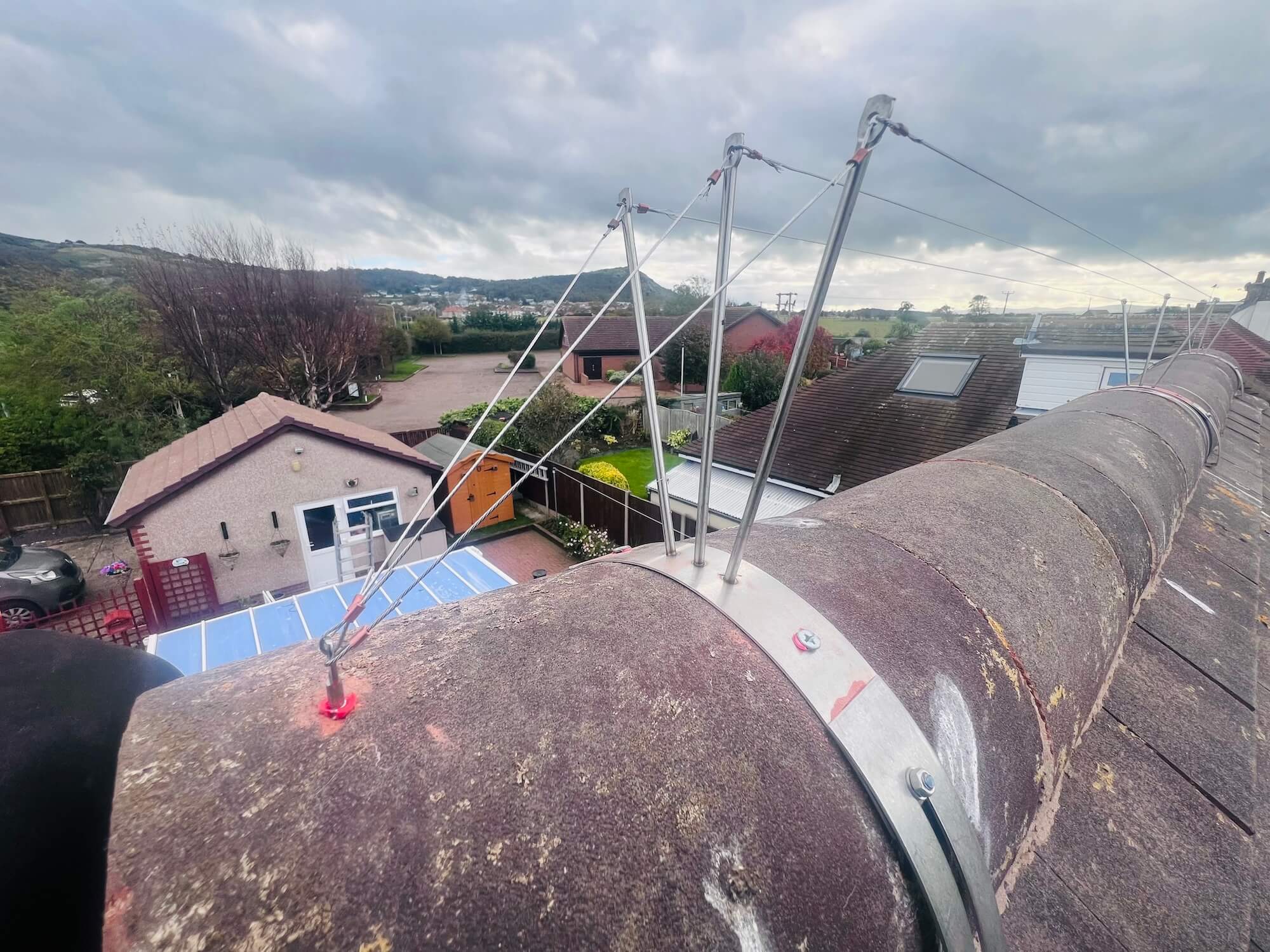

Flat roofs are one of the most common areas where nuisance birds gather, perch, and nest. Their wide, open surfaces and sheltered edges make them particularly attractive to species such as pigeons, seagulls, and starlings. While birds may seem harmless at first, ongoing activity on a flat roof can quickly lead to serious problems, including blocked drainage, structural damage, hygiene concerns, and costly maintenance.
The good news is that with the right bird proofing approach, you can prevent birds from settling on your flat roof and protect your property long-term. In this practical guide, we’ll explain why birds are drawn to flat roofs, the risks they pose, and the most effective bird proofing methods to stop them.
Why Birds Are Attracted to Flat Roofs
Flat roofs offer an ideal environment for birds looking for a safe place to rest or nest. Unlike pitched roofs, flat surfaces provide stable landing areas where birds can easily gather. Parapet walls, roof edges, and plant equipment create sheltered zones that offer protection from wind and predators.
In urban and commercial environments, flat roofs are often close to food sources such as bins, outdoor dining areas, and waste storage. This combination of shelter and accessibility makes them a prime location for birds to return to repeatedly.
Once birds establish a routine on a flat roof, they are likely to come back year after year unless effective bird proofing is installed.
Problems Caused by Birds on Flat Roofs
Bird activity on flat roofs can cause a range of issues. One of the most common is blocked drainage. Birds use twigs, leaves, and debris to build nests, which can clog gutters and outlets. This leads to water pooling, which increases the risk of leaks and long-term structural damage.
Bird droppings are another major concern. They are highly acidic and can damage roofing materials, causing staining and deterioration over time. In commercial settings, droppings also present hygiene risks, especially near ventilation systems.
Noise is another factor, particularly in the early morning. Seagulls can be especially disruptive during nesting season, and in some cases, aggressive behaviour can become a safety concern.
The Most Effective Bird Proofing Methods
There are several proven bird proofing solutions for flat roofs, and the best option will depend on the level of bird activity and the layout of your building.
Bird spikes are one of the most widely used methods. Installed along roof edges and parapets, they prevent birds from landing by removing the flat surface they need. They are durable, low-maintenance, and highly effective for both residential and commercial properties.
Bird netting is ideal for larger areas or where birds are nesting around rooftop equipment. It creates a physical barrier that prevents birds from accessing specific zones, offering complete protection when installed correctly.
Bird wire systems provide a more discreet solution. A tensioned wire creates an unstable landing surface that birds avoid, making it suitable for buildings where appearance matters.
If your flat roof includes solar panels, installing mesh around the edges is essential. This prevents birds, particularly pigeons, from nesting underneath while allowing airflow to maintain panel efficiency.
In more sensitive areas, bird gel or electric deterrents may be used. These low-profile solutions discourage birds from landing without affecting the appearance of the building.
Choosing the Right Approach
The right bird proofing solution depends on your property and the level of bird activity. Light bird pressure may only require spikes or wire systems, while heavier infestations often need a combination of methods, such as spikes and netting.
Flat roofs with multiple structures, such as air conditioning units or solar panels, usually benefit from a tailored approach. A professional assessment ensures that all potential entry points and nesting areas are covered effectively.
Installation and Maintenance
While some bird proofing products are available for DIY installation, flat roofs can be difficult and unsafe to work on without the right equipment. Incorrect installation can reduce effectiveness and allow birds to return.
Professional installation ensures that bird proofing systems are fitted securely and positioned correctly for long-term results. It also ensures compliance with UK wildlife laws, particularly during nesting season.
Once installed, bird proofing should be checked regularly. Debris can build up over time, and weather conditions may affect certain components. Annual inspections, along with checks after severe weather, help keep your system working effectively.
Protect Your Flat Roof with Professional Bird Proofing
Bird activity on flat roofs can quickly lead to damage, hygiene issues, and ongoing maintenance costs if left untreated. Investing in professional bird proofing helps protect your property, extend the life of your roof, and prevent long-term problems.
Servos Bird Control provides expert bird proofing solutions for flat roofs across residential, commercial, and industrial properties. Our team delivers tailored systems designed to prevent nesting and provide lasting protection.
Get in Touch Today
Call 01745 289055 or email [email protected] to arrange a site survey or discuss your bird proofing requirements with our team.