
Birds might seem harmless at first glance, but for many property owners across the UK, they can become a serious problem. Pigeons roosting on ledges, gulls attacking bins, and droppings staining buildings can all lead to costly damage and health risks. Bird proofing offers an effective way to prevent these issues. But is it legal?
This comprehensive guide explores the legality of bird proofing in the UK, explaining what’s permitted under the Wildlife and Countryside Act 1981, what ethical proofing means in practice, and how professional bird control companies ensure full legal compliance while protecting your property.
What Is Bird Proofing?
Bird proofing refers to a range of techniques used to deter birds from landing, roosting, or nesting on buildings or structures. Common bird proofing methods include:
- Bird spikes – to prevent perching on ledges
- Bird netting – to block access to areas like courtyards and balconies
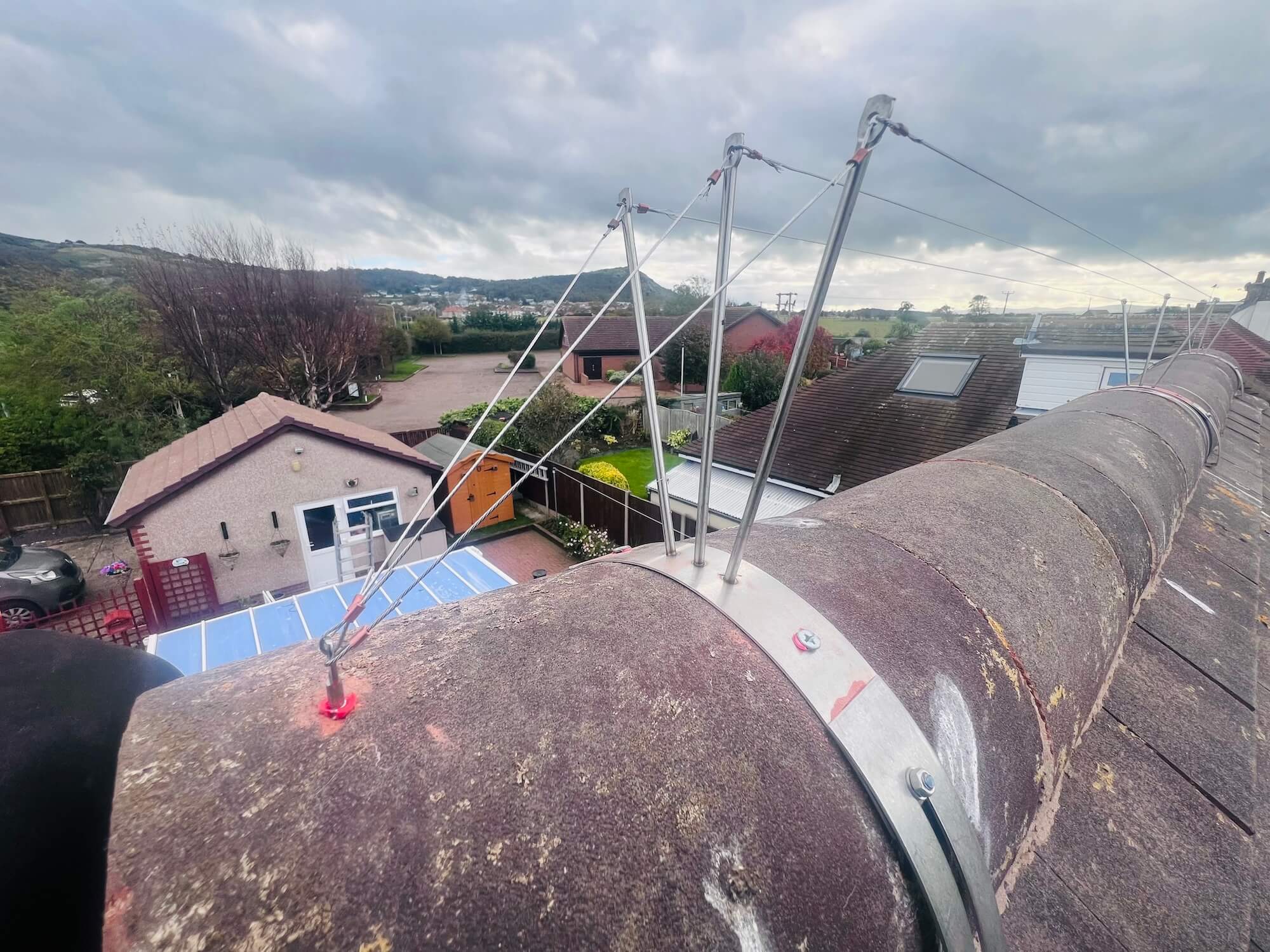
- Bird wire – to create unstable landing areas
- Electric deterrents – to gently condition birds to stay away
- Solar panel mesh – to stop nesting underneath solar panels
- Bird gel – a clear, sticky substance that creates an uncomfortable surface
These systems are used on commercial, industrial, and residential buildings to reduce noise, mess, contamination, and structural damage.
Are Birds Protected by Law in the UK?
Yes. In the UK, all wild birds, their nests, and their eggs are protected under the Wildlife and Countryside Act 1981. This means it is illegal to:
- Kill or injure a wild bird
- Damage or destroy an active nest
- Remove eggs or chicks
- Block access to an active nest site
These protections apply to common species like pigeons, gulls, and starlings, as well as rarer birds. The law is clear: you can only deter birds or remove nests under specific legal circumstances, and never during the nesting season without proper permissions.
What Makes Bird Proofing Legal?
Bird proofing is legal when it is preventative in nature, installed outside of the nesting season, and done in a way that doesn’t harm birds or interfere with active nests. Here’s what’s allowed under UK law:
Installing deterrents before the birds nest
Bird spikes, netting, and mesh can be legally installed to prevent birds from nesting, as long as they are fitted before any nesting activity begins.
Using humane, non-lethal deterrents
You must use methods that do not harm birds. This includes physical barriers and repellents that make areas uncomfortable for birds, not dangerous.
Seeking advice or a licence for complex cases
If birds are already nesting or pose a serious public health risk, it may be possible to apply for a General or Individual Licence from Natural England, NatureScot, or Natural Resources Wales. These licences allow limited control under very specific conditions.
You cannot disturb an active nest
Attempting to remove a live nest, even if the birds are causing problems, is a criminal offence without a licence.
Understanding General Licences
In the UK, General Licences allow authorised persons to take certain actions against specific birds if there is a justifiable reason, such as protecting public health, preventing damage, or preserving air safety.
However, this is not a free pass. You must:
- Prove that non-lethal methods (like proofing) were tried first
- Demonstrate that the bird species in question is covered by the licence
- Use methods that comply with the terms of the licence
Professional bird control companies are well-versed in how these licences work and can advise if one is needed in your situation.
When Is the Nesting Season?
The UK bird nesting season typically runs from March to August, but this can vary depending on the weather and species. Pigeons, for example, may breed all year round in urban areas.
As a general rule:
- Avoid bird-proofing during nesting season unless you are 100% certain no active nests are present.
- Only a trained professional should assess and confirm whether nests are inactive before removal or installation of deterrents.
What Is Ethical Bird Proofing?
Ethical bird proofing is not just about avoiding fines; it’s about doing the right thing for wildlife. It means:
- Using humane methods that deter but don’t harm birds
- Avoiding disturbance of active nests
- Following legislation such as the Wildlife and Countryside Act
- Working with professionals who understand bird behaviour and legal boundaries
Choosing a reputable bird control company ensures that your proofing measures are effective, legal, and ethically sound.
Why DIY Bird Control Can Be Risky
While it might be tempting to install bird spikes or netting yourself, DIY bird control can often do more harm than good.
Common mistakes include:
- Installing spikes incorrectly, allowing birds to nest around them
- Damaging roof tiles or gutters
- Blocking access to an active nest (which is illegal)
- Using untested or harmful deterrents
- Falling foul of licensing regulations
Improperly installed proofing can also lead to ineffective results, meaning the birds return, and you’re left with the same problems and a potential legal issue.
How Professionals Ensure Legal Compliance
A professional bird control company like Servos Bird Control ensures full compliance through:
1. Detailed site surveys
To check for signs of nesting, bird species, access points, and legal considerations.
2. Ethical planning
All proofing is scheduled outside of nesting season, where possible and is designed to avoid harm.
3. Proper installation
Bird deterrents are installed securely, discreetly, and to a standard that ensures long-term success.
4. Legal expertise
Professionals understand current legislation, licensing requirements, and how to handle exceptions safely and legally.
5. Maintenance plans
Ongoing maintenance keeps systems effective and ensures your business remains compliant in the long run.
Common Questions About Bird-Proofing Legality
Can I remove a pigeon nest myself?
Only if the nest is inactive and it’s outside of nesting season. Otherwise, it’s illegal without a licence.
What happens if I ignore bird-proofing laws?
You could face prosecution, fines, or damage your business’s reputation if found breaching wildlife protection laws.
Are spikes and netting considered humane?
Yes, when installed properly. They’re designed to deter, not trap or harm.
Do I need permission to install bird proofing?
Not usually, but if you live in a listed building or conservation area, planning consent may be required.
How do I know if a nest is active?
A professional can assess this. Active nests will show signs like adult birds coming and going, visible chicks, or fresh droppings.
Stay Legal and Protected with Expert Bird Proofing
Bird proofing is not only legal, it’s an essential step in protecting your property from costly damage, hygiene issues, and disruptions. But it must be done the right way.
With UK laws strictly protecting birds and their nests, working with an experienced, ethical bird control company ensures you stay compliant while still resolving the issue.
Need bird proofing that’s legal, humane, and long-lasting?
Servos Bird Control offers expert site assessments and professional installation services across the UK. We make sure your property is protected, your systems are compliant, and the birds are safely deterred. Call us on 01745 289055 or Email [email protected] to schedule your bird proofing consultation today.