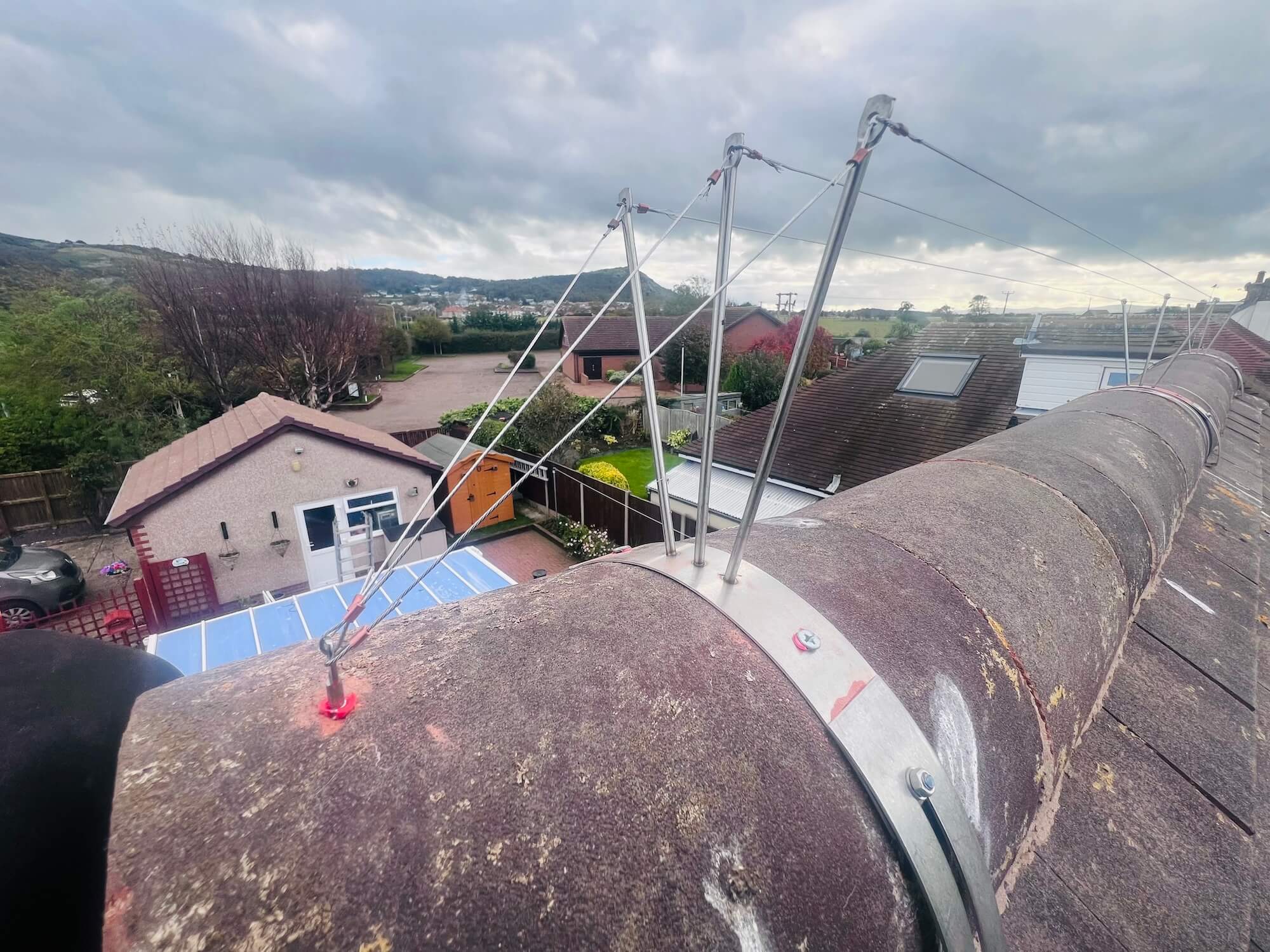

Bird proofing is one of the most effective ways to protect your property from nuisance birds, preventing nesting, roosting, and the damage that comes with it. Whether you’ve installed bird spikes, netting, wire systems, or solar panel proofing, these solutions are designed to provide long-term protection. However, like any external system exposed to the elements, bird proofing requires regular checks and maintenance to remain effective.
In this guide, we’ll explain how often bird proofing should be inspected, what to look for during maintenance, and why ongoing care is essential to ensure your system continues to perform at its best.
Why Bird Proofing Maintenance Matters
Bird proofing systems are constantly exposed to weather conditions such as wind, rain, frost and UV exposure. Over time, even high-quality installations can experience wear and tear. Debris can build up, fixings can loosen, and certain components may degrade.
If bird proofing is not maintained, small issues can quickly develop into larger problems. Gaps may appear, allowing birds to return and begin nesting again. Once birds regain access to a previously protected area, the problem often returns quickly.
Regular maintenance ensures that your bird proofing continues to function as intended, protecting your property, maintaining hygiene standards, and preventing costly repairs.
How Often Should Bird Proofing Be Checked?
General Recommendation
As a general rule, bird proofing systems should be checked at least once per year. An annual inspection helps identify any signs of wear, damage, or weakness before they become serious issues.
However, depending on your property type and location, more frequent checks may be required.
High-Risk Environments
For properties in high-risk areas such as coastal locations, city centres, or industrial sites, inspections should be carried out every 6 months. These environments tend to experience higher bird activity and harsher weather conditions.
Holiday parks, warehouses, food production sites and commercial buildings with high footfall may also require more regular monitoring.
After Severe Weather
Bird proofing should always be checked after extreme weather events such as storms, high winds, or heavy snowfall. Strong winds can dislodge spikes, loosen fixings, or damage netting systems.
Even minor damage can create entry points for birds, so it’s important to carry out a visual inspection following severe weather.
Key Bird Proofing Systems and Their Maintenance Needs
Different types of bird proofing require slightly different maintenance approaches. Understanding these helps ensure each system continues to perform effectively.
Bird Spikes
Bird spikes are generally low-maintenance, but they should still be checked regularly. Look for:
- Loose or missing spikes
- Build-up of debris, such as leaves or feathers
- Damage to the base or fixings
Debris can create a surface that allows birds to nest on top of the spikes, reducing their effectiveness.
Bird Netting
Bird netting provides full exclusion but requires more regular checks. During inspections, look for:
- Tears or holes in the netting
- Loose edges or sagging sections
- Accumulated debris or trapped materials
Even a small gap in netting can allow birds to gain access, so repairs should be carried out promptly.
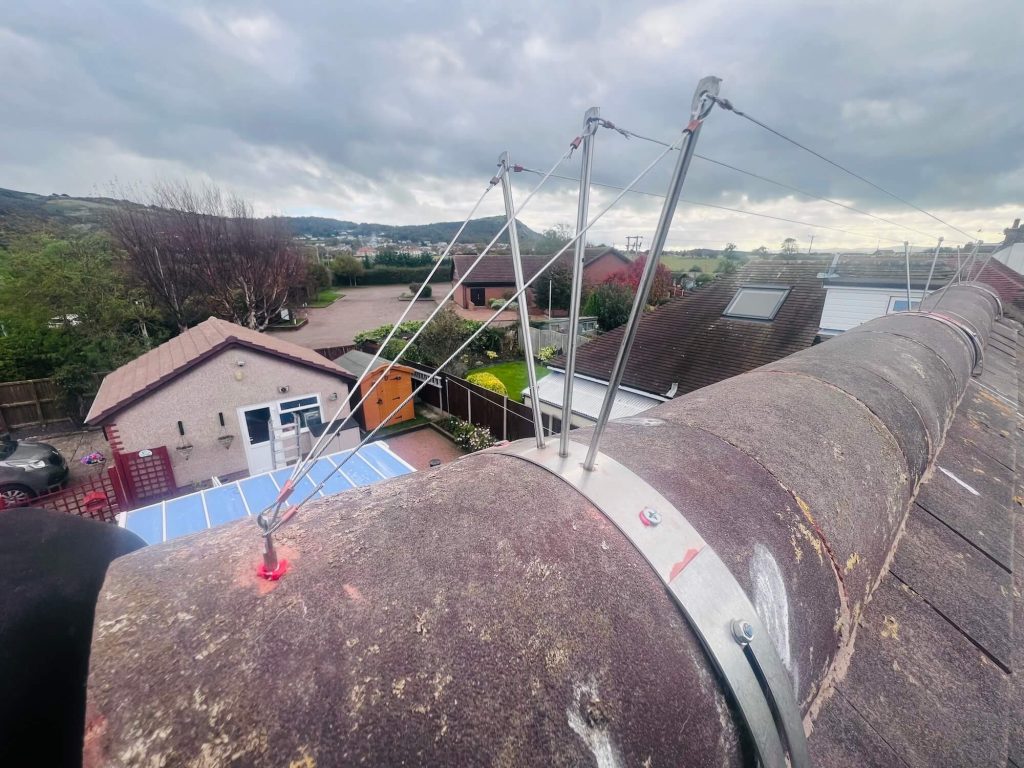
Bird Wire Systems
Bird wire systems are discreet and effective but rely on tension to work properly. Maintenance should include:
- Checking that wires remain tight
- Inspecting posts and fixings for movement
- Ensuring no debris is interfering with the system
Loose wires reduce effectiveness and may allow birds to perch.
Solar Panel Bird Proofing
Solar panel proofing mesh is designed to prevent birds nesting underneath panels. Maintenance checks should include:
- Ensuring mesh is securely fixed around all edges
- Checking for gaps or dislodged sections
- Removing debris such as feathers or nesting materials
This is particularly important for maintaining airflow and system efficiency.
Bird Gel and Electric Deterrents
These systems are more specialised and may require periodic reapplication or servicing.
- Bird gel may need replacing after extended exposure to weather
- Electric deterrents should be checked to ensure they are functioning correctly
Professional servicing is often recommended for these systems.
Signs Your Bird Proofing Needs Maintenance
Even without a scheduled inspection, there are clear signs that your bird proofing may need attention.
If you notice birds returning to previously protected areas, this is often the first warning sign. Increased droppings, new nesting materials, or birds perching on structures are indicators that the system is no longer fully effective.
Visible damage such as sagging netting, missing spikes, or loose wires should be addressed immediately.
Unusual noise, particularly in roof spaces or under solar panels, may also indicate that birds have found a way back in.
Acting quickly when these signs appear can prevent a minor issue from becoming a full infestation.
The Risks of Neglecting Bird Proofing Maintenance
Failing to maintain bird proofing can lead to several problems.
Birds can regain access and begin nesting, resulting in increased droppings, noise and mess. Over time, this can lead to structural damage, blocked drainage systems and hygiene issues.
For commercial properties, neglected bird proofing can affect compliance with health and safety regulations, particularly in food-related environments.
There is also a financial impact. Small maintenance issues are relatively inexpensive to fix, but larger problems caused by long-term neglect can result in significant repair costs.
Professional vs DIY Maintenance
While some basic checks can be carried out visually, professional maintenance is often the safest and most effective option.
Many bird proofing systems are installed at height, making access difficult without the proper equipment and training. Professional bird control specialists have the tools, experience and certifications required to carry out safe inspections and repairs.
They can also identify issues that may not be obvious, ensuring that your bird proofing remains fully effective.
For commercial properties, regular professional maintenance provides reassurance that your systems are compliant and functioning correctly.
Creating a Bird Proofing Maintenance Plan
To keep your bird proofing in optimal condition, it’s best to implement a structured maintenance plan.
This may include:
- Annual or bi-annual inspections depending on risk level
- Additional checks after severe weather
- Routine cleaning to remove debris
- Scheduled professional servicing
A proactive approach ensures long-term protection and reduces the likelihood of unexpected issues.
Long-Term Value of Maintaining Bird Proofing
Well-maintained bird proofing systems provide significant long-term value. They reduce cleaning costs, prevent structural damage, and protect your property’s appearance.
For businesses, effective bird proofing also helps maintain a professional image and ensures a safe environment for staff and customers.
Regular maintenance ensures that your initial investment continues to deliver results for years to come.
Keep Your Bird Proofing Working Effectively
Bird proofing is not a one-time solution. To ensure it continues to protect your property, regular inspections and maintenance are essential. By checking your systems annually, monitoring for signs of damage, and arranging professional servicing when needed, you can prevent birds from returning and avoid costly issues in the future.
Get in Touch Today
If you need expert support with bird proofing maintenance, Servos Bird Control is here to help. We provide professional inspections, repairs and installations across the UK, ensuring your property remains protected all year round. Call 01745 289055 or email [email protected] to book your bird proofing inspection or discuss your maintenance needs with our team.