Spring is one of the most active times of year for birds across the UK. As temperatures begin to rise and daylight hours increase, many species start searching for safe, sheltered locations to build nests and raise their young. Unfortunately for property owners, buildings often provide the perfect environment for nesting birds.
Roof ledges, gutters, solar panels, balconies and ventilation spaces can all become attractive nesting spots for birds such as pigeons, seagulls, starlings and sparrows. While birds are an important part of the natural ecosystem, nesting on buildings can lead to a variety of problems including noise, mess, structural damage and hygiene concerns.
The key to preventing these issues is early action. By understanding why birds choose buildings and implementing effective bird proofing measures before nests are established, you can protect your property while remaining compliant with UK wildlife laws.
In this guide, we explain how to stop birds nesting on your property this spring and the most effective ways to prevent long-term bird problems.
Why Birds Start Nesting in Spring
Spring marks the beginning of the breeding season for most bird species in the UK. During this time, birds search for locations that provide shelter from predators, warmth, and easy access to food.
Urban and suburban buildings often replicate natural cliff faces or rocky ledges that birds would normally use in the wild. Flat roofs, architectural ledges and sheltered rooflines provide perfect nesting conditions.
Once birds identify a suitable location, they will often return year after year to the same site. Preventing nesting early in the season is therefore much easier than dealing with an established problem later.
Why Bird Nesting on Buildings Causes Problems
While birds may appear harmless, nesting activity around buildings can quickly lead to several issues for homeowners and businesses.
One of the most common problems is the accumulation of bird droppings. Droppings are acidic and can damage surfaces such as stone, metal, roofing materials and paintwork. Over time, this can lead to staining, corrosion and expensive repairs.
Bird nests can also block gutters, drainage systems and ventilation openings. This can cause water overflow, damp problems and restricted airflow.
Noise is another frequent complaint, especially with species such as pigeons and seagulls. Nesting birds can become very vocal, particularly during early morning hours.
In some cases, birds may become aggressive during nesting season, especially seagulls protecting their chicks. This can create safety concerns for residents, employees and visitors.
Understanding the Legal Rules Around Bird Nesting
Before taking action to stop birds nesting, it is important to understand UK wildlife protection laws.
Under the Wildlife and Countryside Act 1981, it is illegal to disturb or destroy an active bird nest. This means that once birds have laid eggs or chicks are present, removal or disturbance of the nest may be unlawful without special permission.
For this reason, preventative bird proofing is essential. Installing deterrents before nesting begins ensures compliance with wildlife regulations while protecting your property from damage.
Common Areas Where Birds Nest on Buildings
To effectively prevent nesting, it helps to know the areas birds typically target.
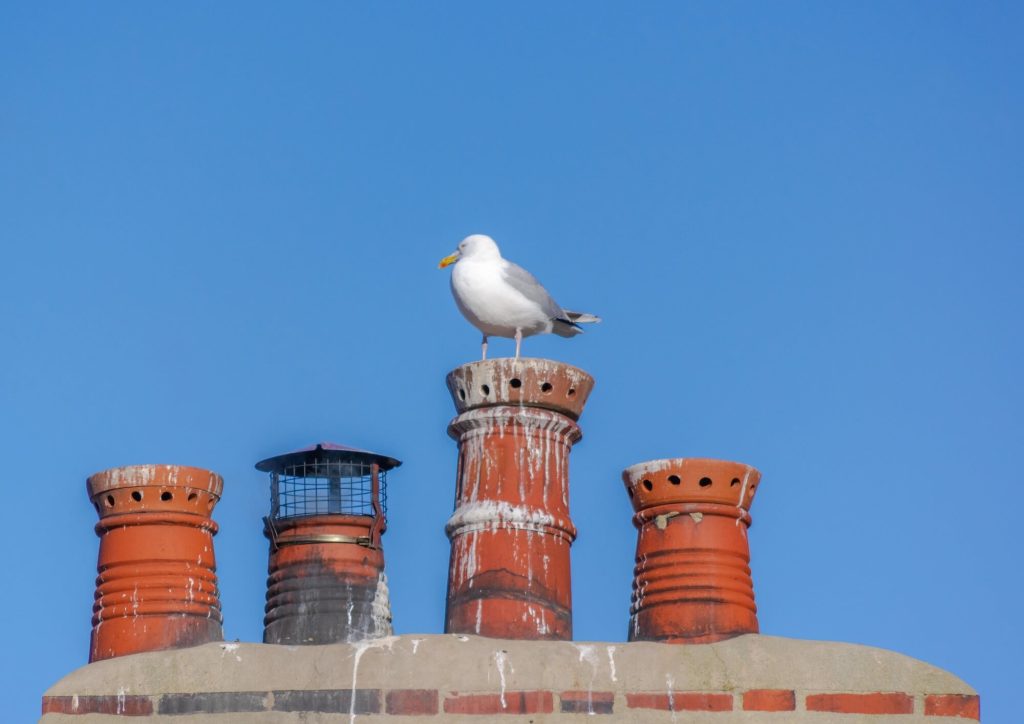
Roof edges and parapets are among the most common locations, particularly for pigeons and seagulls. These elevated ledges offer excellent visibility and protection.
Gutters and rooflines often attract birds because they provide shelter and contain materials suitable for building nests.
Solar panels are another popular nesting location. The space beneath panels offers warmth and protection, making it particularly attractive to pigeons.
Chimneys and ventilation openings can also become nesting sites if left uncovered.
Balconies and window ledges may attract birds looking for sheltered areas close to food sources.
Identifying these high-risk areas allows property owners to install bird proofing before nesting begins.
Effective Ways to Stop Birds Nesting on Your Property
Install Bird Spikes
Bird spikes are one of the most widely used bird proofing solutions. They are installed on ledges, roof edges, signage and other surfaces where birds tend to land.
The spikes prevent birds from settling without harming them. By removing the flat landing surface, birds simply move on to other locations.
Bird spikes are durable, weather-resistant and highly effective against species such as pigeons and seagulls.
Use Bird Wire Systems
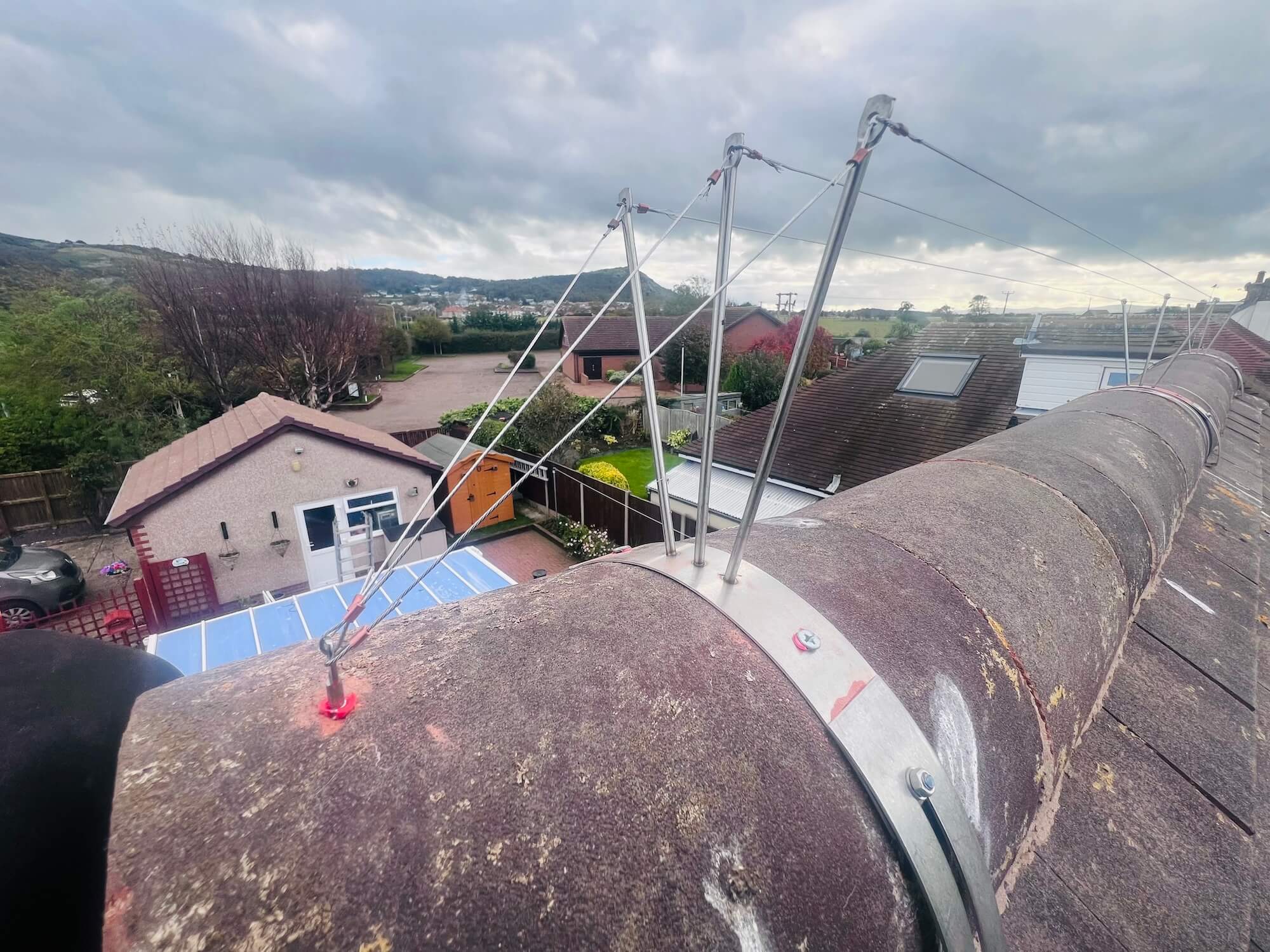
Bird wire systems provide a discreet deterrent that works particularly well on narrow ledges and architectural features.
A thin tensioned wire creates an unstable landing surface that birds avoid. Because the system is low-profile, it is often used on historic buildings or properties where appearance is important.
Install Bird Netting
Bird netting creates a physical barrier that prevents birds from accessing certain areas. It is commonly used on courtyards, warehouse roofs, balconies and large building openings.
When installed correctly, bird netting offers complete protection from nesting while remaining discreet and long-lasting.
Protect Solar Panels with Mesh
Solar panels are one of the most common nesting sites for pigeons. Installing specialised mesh around the edges of solar panels prevents birds from accessing the sheltered space beneath them.
This type of bird proofing helps maintain airflow around the panels while protecting wiring and preventing debris build-up.
Secure Chimneys and Ventilation Openings
Chimney guards and vent covers prevent birds from entering enclosed spaces where nests could block airflow or create fire risks.
These protective measures allow ventilation systems to function normally while preventing birds from gaining access.
Why Early Bird Proofing Is the Best Approach
Preventative bird proofing is far more effective than trying to deal with established nests later in the season.
By installing deterrents before birds begin nesting, property owners can avoid legal complications and prevent damage before it occurs.
Early bird proofing also reduces cleaning and maintenance costs. Once birds establish a nesting site, droppings and debris can accumulate quickly, requiring regular cleaning and repairs.
Professional bird proofing ensures that deterrents are installed correctly and remain effective for years.
Why Professional Bird Control Matters
Although DIY bird deterrents are widely available, they often fail to provide long-term protection. Incorrect installation or unsuitable products can allow birds to return or even trap them, which can create further issues.
Professional bird control specialists assess your property to identify nesting risks and recommend the most effective bird proofing solutions.
This tailored approach ensures that the correct deterrents are installed in the right locations, providing reliable protection while complying with wildlife regulations.
Protect Your Property Before Nesting Begins
Spring is the ideal time to install bird proofing and prevent birds from settling on your property. Acting early allows you to protect roofs, gutters, solar panels and building features before nests are established.
Taking preventative action now can save property owners significant time, money and frustration later in the year.
Get Expert Bird Proofing Advice
If you are concerned about birds nesting on your property this spring, professional bird proofing can provide a safe and effective solution.
Servos Bird Control offers expert bird proofing services designed to protect homes, commercial buildings and industrial properties from nuisance birds.
Our experienced team can assess your property and recommend the most effective bird control solutions tailored to your situation.
To arrange a site survey or discuss your bird proofing requirements, call 01745 289055 or email [email protected]. We are here to help you protect your property and prevent bird nesting problems before they start.