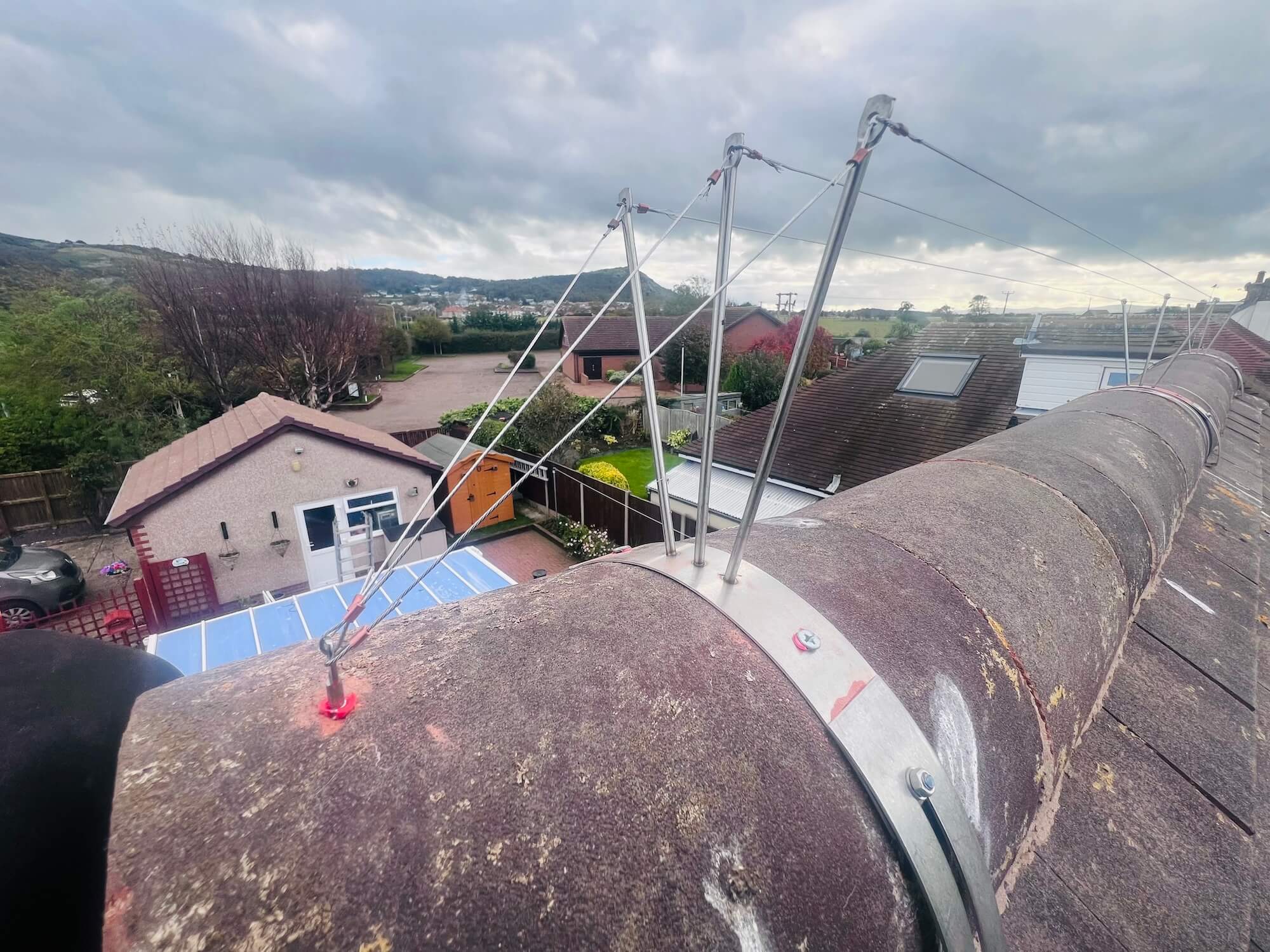

Birds are a familiar part of the UK landscape, but when they begin nesting on buildings, they can quickly create serious problems for property owners. Pigeons, seagulls, starlings and other urban birds are highly adaptable and often choose man-made structures as safe nesting locations. Roof edges, ledges, solar panels and other sheltered areas provide warmth, protection and easy access to food. Without effective bird proofing, these locations can quickly become long-term nesting sites that lead to noise, mess and costly damage.
While birds may appear harmless at first, nesting on buildings can lead to blocked drainage systems, property damage, health risks and ongoing noise issues. Once birds establish a nesting site, they often return year after year unless effective bird proofing measures are installed.
In this guide, we’ll explore the seven most common places birds nest on buildings, why they choose these areas, and how professional bird proofing can prevent long-term problems.
Why Birds Choose Buildings for Nesting
Urban environments provide ideal nesting conditions for many bird species. Buildings mimic natural cliff ledges and rocky outcrops, offering elevated positions that protect birds from predators. Warm surfaces, sheltered spaces and easy access to food sources make commercial and residential buildings attractive nesting sites.
Once birds find a suitable location, they will return repeatedly, building nests and raising chicks. Without bird proofing, these nesting habits can quickly escalate into a larger infestation.
Understanding where birds prefer to nest is the first step in preventing long-term issues.
1. Roof Edges and Parapets
Roof edges and parapets are among the most common nesting spots for birds, particularly pigeons and seagulls. These elevated ledges provide clear visibility of the surrounding area while offering protection from predators.
Birds often gather on flat roofs and parapet walls before building nests in sheltered corners. Over time, droppings and nesting materials accumulate, leading to blocked drains and damage to roofing materials.
Bird proofing solutions such as bird spikes or bird wire systems are highly effective at preventing birds from landing and nesting on roof edges. These deterrents remove the flat landing surface birds need, encouraging them to move elsewhere without causing harm.
2. Gutters and Downpipes
Gutters provide a sheltered environment that birds often use for nesting. Twigs, leaves and debris collected by birds can quickly block drainage systems, leading to water overflow and potential structural damage.
Blocked gutters can cause damp problems inside buildings and may lead to expensive repairs if left untreated. Nesting birds may also attract parasites and create unsanitary conditions around the property.
Installing bird spikes or netting along rooflines and gutters helps prevent birds from accessing these areas while keeping drainage systems clear and functioning properly.
3. Under Solar Panels
Solar panels create an ideal nesting location for pigeons. The space beneath panels offers warmth, protection from weather and predators, and a quiet environment for breeding.
Birds nesting under solar panels can cause several issues, including damaged wiring, reduced ventilation, and decreased solar panel efficiency. The accumulation of droppings and nesting debris can also shorten the lifespan of the system.
Professional solar panel bird proofing mesh is one of the most effective solutions. The mesh forms a barrier around the perimeter of the panels, preventing birds from accessing the area underneath while allowing airflow to maintain panel efficiency.
4. Chimneys and Ventilation Systems
Chimneys and ventilation systems are attractive nesting sites because they provide deep, sheltered spaces where birds can build nests safely.
Unfortunately, nesting materials can block airflow and create serious safety risks. In some cases, blocked chimneys may even become fire hazards due to restricted ventilation.
Bird proofing methods, such as chimney guards and protective mesh covers, prevent birds from entering these openings while maintaining proper airflow.
5. Ledges, Window Sills and Signs
Narrow ledges and window sills often act as perching and nesting areas for pigeons and smaller birds. Shop signs, decorative features and architectural details also provide convenient resting spots.
Over time, droppings can stain surfaces, damage paintwork, and create hygiene issues around entrances or public spaces. In commercial areas, this can negatively affect the appearance of a business.
Installing bird spikes or bird wire systems along ledges and signage prevents birds from landing while remaining discreet and unobtrusive.
6. Warehouse Roof Structures and Beams
Industrial buildings and warehouses often have exposed roof beams and internal structures that provide perfect nesting sites for birds. Once inside, birds can roost above equipment, storage areas and walkways.
This creates hygiene concerns, particularly in environments where food, packaging or sensitive equipment is stored. Droppings can contaminate surfaces and lead to costly cleaning and maintenance.
Bird netting is commonly used to prevent birds from accessing these large internal spaces. The netting acts as a barrier, blocking birds from entering roof areas or sheltered structures.
7. Balconies and Courtyards
Balconies and enclosed courtyards are frequently used by birds as nesting locations, especially in apartment buildings and hotels. These areas often provide shelter from wind and easy access to food sources.
Bird activity in these spaces can lead to droppings, nesting debris and noise problems for residents or visitors. Over time, balconies can become difficult to maintain due to repeated nesting.
Bird proofing methods such as bird netting, wire systems or spikes can prevent birds from settling in these areas while maintaining the appearance of the building.
The Risks of Ignoring Bird Nesting on Buildings
Allowing birds to nest on buildings can lead to a range of problems if not addressed early. One of the biggest concerns is the accumulation of bird droppings, which are acidic and capable of damaging stone, metal and painted surfaces.
Bird droppings can also carry bacteria and parasites that pose health risks to people working or living nearby. In commercial environments, this may create hygiene concerns and potential compliance issues with health and safety regulations.
Nesting materials can block gutters, ventilation systems and drainage pipes, causing water damage and increasing maintenance costs.
Additionally, once birds establish a nesting location, they tend to return year after year. This makes early bird proofing essential to prevent ongoing problems.
Why Professional Bird Proofing Is the Most Effective Solution
Bird proofing is most effective when installed by experienced professionals who understand bird behaviour and building structures. While DIY deterrents are widely available, they often fail due to incorrect installation or unsuitable materials.
Professional bird control specialists conduct a full site survey to identify nesting areas, entry points and high-risk locations. Based on this assessment, they recommend the most appropriate bird proofing solutions.
These may include bird spikes, bird netting, bird wire systems, solar panel proofing or other deterrents, depending on the type of property and level of bird activity.
Proper installation ensures long-term protection while maintaining compliance with UK wildlife laws.
Prevent Bird Nesting Before It Starts
Preventative bird proofing is far more effective than dealing with a full infestation later. By installing deterrents before birds establish nests, property owners can avoid costly repairs, hygiene issues and ongoing disruption.
Bird proofing systems are designed to be discreet, humane and long-lasting, helping protect buildings without harming wildlife.
Protect Your Property with Professional Bird Proofing
If birds are nesting on your roof, ledges, solar panels or other parts of your building, acting quickly is essential. Professional bird proofing solutions can prevent further damage and ensure your property remains safe, clean and well maintained.
Servos Bird Control provides expert bird proofing services for residential, commercial and industrial properties across the UK. Our team offers tailored solutions designed to prevent birds from nesting while following all relevant wildlife regulations.
Get In Touch Today
To discuss your bird control requirements or book a professional survey, call 01745 289055 or email [email protected]. Our specialists are ready to help protect your property from nuisance birds.